
Liquidity: The Invisible Force That Actually Moves Markets
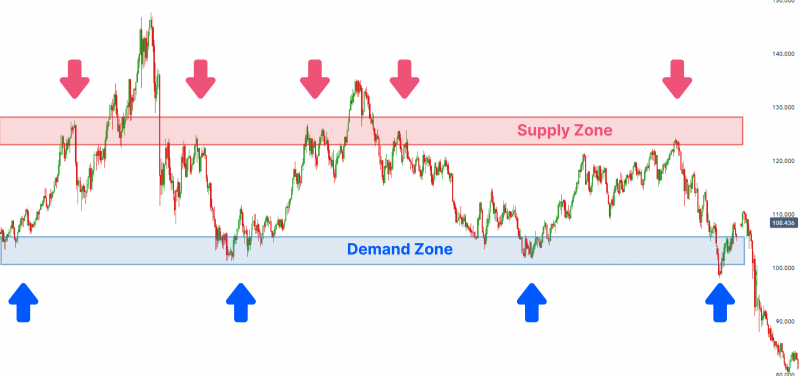
Most traders spend years chasing indicators, news headlines, and opinions. Very few pause to ask a more fundamental question: what actually makes prices move?
The answer is not indicators. It is liquidity.
Liquidity refers to the availability of willing buyers and sellers at different price levels. Large market participants—banks, funds, proprietary desks—cannot enter or exit trades the way retail traders do. Their order sizes are massive. They require areas where enough opposing orders already exist. These areas naturally form around obvious highs, lows, ranges, and breakout levels.
This is why price often accelerates toward recent highs or lows. It is not “breaking out randomly.” It is seeking liquidity—stop-losses, pending orders, and emotional retail positioning.
Once this liquidity is absorbed, two things usually happen:
Price reverses sharply (after filling large orders), or
Price expands strongly (when a fresh imbalance is created).
This explains why retail traders frequently experience stop-outs just before a move begins. They weren’t wrong about direction—they were early and positioned where liquidity was needed.
Understanding liquidity changes how you trade:
You stop predicting tops and bottoms
You stop chasing breakouts blindly
You start waiting for the price to show its hand
Markets are not chaotic. They are transactional systems, constantly balancing order flow. Liquidity is the map.