
How to Read Market News With an Institutional Perspective.
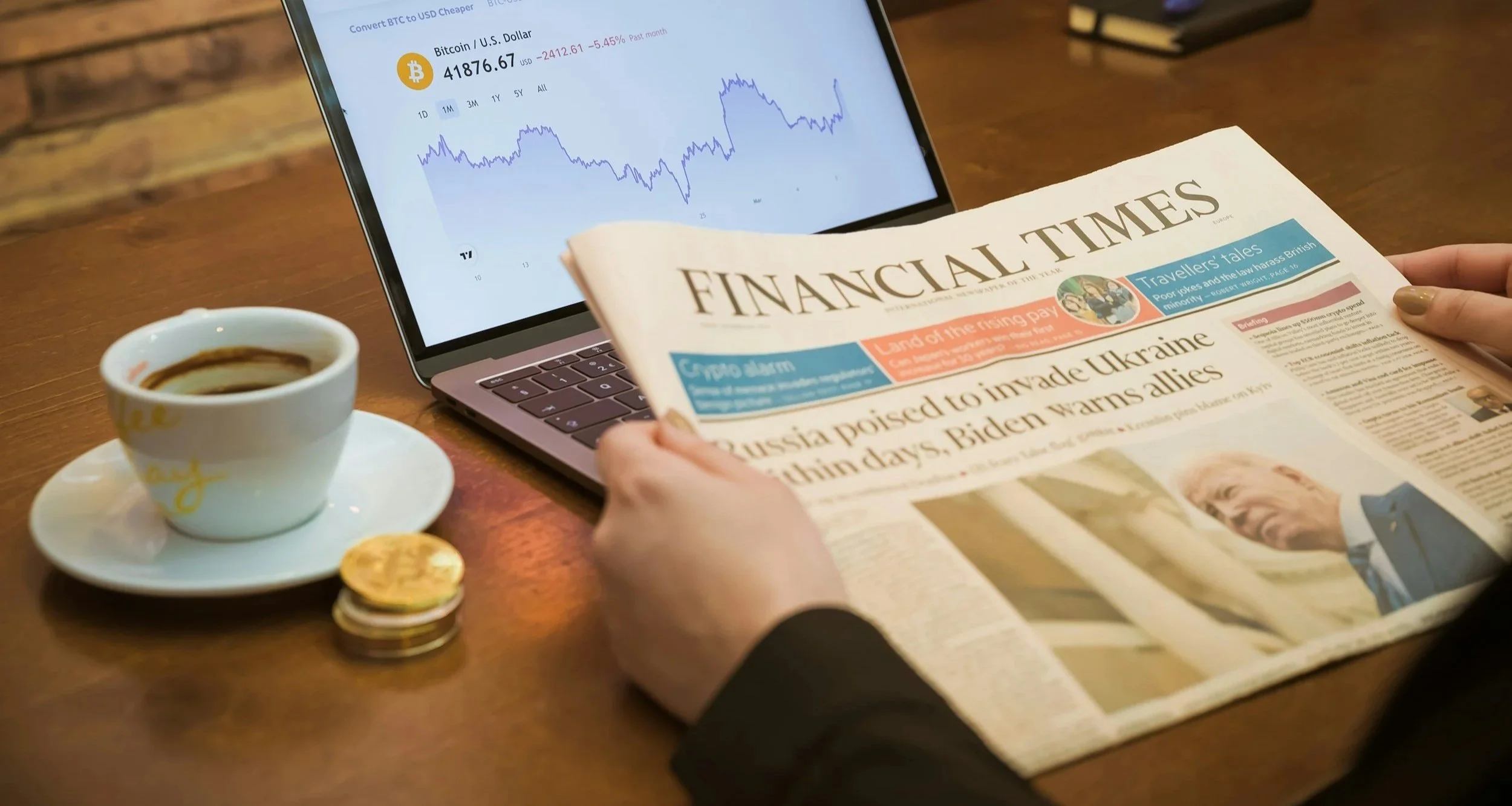
Every trader consumes news.
Very few understand how the market actually uses it.
Retail traders read headlines and react. Institutions position before headlines and distribute after reactions. This single asymmetry explains why news-based trading often feels like a trap.
Why News Feels Powerful but Acts Weak
News does not move markets by itself. It acts as a catalyst, not a cause. By the time a headline appears on your screen, large participants have already adjusted positions based on expectations, probabilities, and order flow.
This is why you often see:
“Good news” followed by a price fall
“Bad news” followed by price rising
Explosive moves with no obvious headline
The market is forward-looking. News is backwards-looking.
What Professionals Look for Instead of Headlines
Institutions focus on three things around news events:
Positioning – Is the market already leaning heavily one way?
Liquidity – Where are stops and pending orders clustered?
Reaction – How price behaves after the news, not during it
The reaction matters more than the announcement. If the price cannot move higher on positive news, it signals exhaustion. If the price refuses to fall on negative news, it signals absorption.
The Retail Trap During High-Impact News
Most retail traders make the same mistake: they treat news as a signal rather than a test.
High-impact news is often used to:
Trigger stop-losses
Create volatility for order filling
Shake out weak positions
This does not mean news is irrelevant. It means it must be contextualised, not chased.
How to Use News the Right Way
A professional approach to news involves:
Identifying key price levels before the event
Observing volatility expansion, not guessing direction
Waiting for post-news structure to form
Aligning with price behaviour, not emotion
News does not give entries.
It reveals who is in control.
The Calm Advantage
Traders who survive long-term are not the fastest. They are the calmest.
When you stop reacting to headlines and start observing price response, trading becomes quieter, slower, and far more consistent. News becomes a tool for confirmation, not confusion.
The market is never surprised.
Only unprepared traders are.