
Gold Rallied $300. Then it Crashed. Here’s What Everyone Missed.
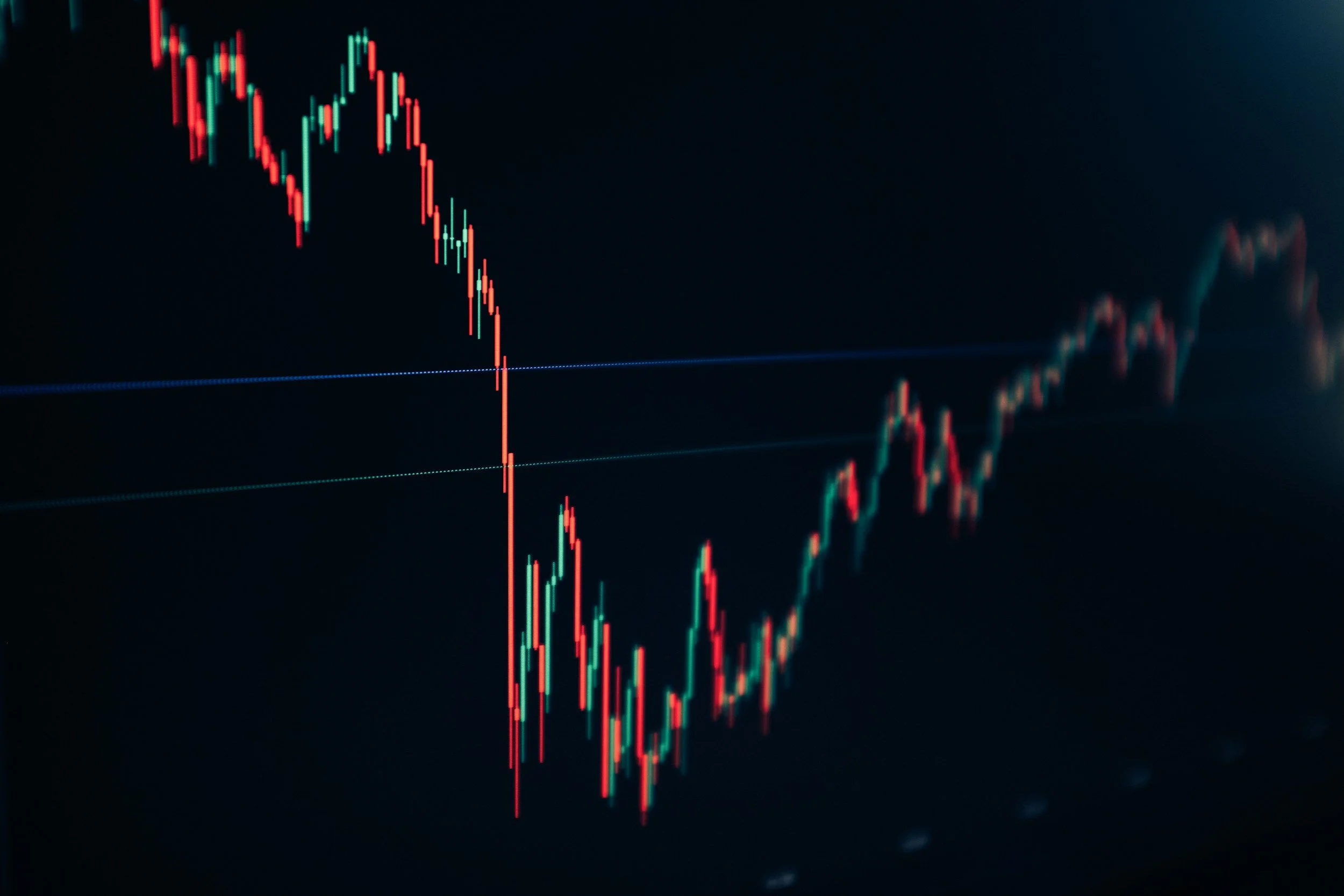
When I said gold was going to fall, it wasn’t a reaction to headlines; it was a read on structure. Going into the Federal Reserve decision, gold was trading around $5,290–$5,300, and the positioning was heavy with extreme confidence. The trade had become a consensus. Every dip was treated as a gift. That is rarely a stable setup. The call came before the event. (link to the blog: https://www.absoluteanalytics.in/pulse/fed-night-gold-morning-why-im-not-bullish-on-this-decision)
I said I was not bullish on the Fed, and that the risk was a pullback first, not continuation. The reasoning was simple:
• Leverage was elevated
• Volatility was compressed
• USD and real yields were coiled
• Positioning was crowded long
None of that required the Fed to surprise; it only needed liquidity to thin. Then the Fed announced the decision, and gold surged $300.
Post-Fed, gold jumped aggressively, trading close to $5,500.
Many took screenshots of our post, and many mocked our take on Gold prices. Many assumed the bearish view was invalidated. But we didn’t exit the trade.
Because a $300 spike after a major event does not automatically mean strength. In crowded trades, it often means short-covering and late long entry, not a fresh conviction.
At that point, the structure hadn’t changed:
• Leverage was still there
• Positioning hadn’t cleared
• Volatility was expanding, not calming
The rally gave better prices, but not a reason to abandon the view. What came next was not a “correction” Once the post-Fed relief faded, gold didn’t drift lower, it unwound.
From the post-Fed highs near $5,500, gold moved sharply lower toward the $4,600 zone, and in extensions, risk opened toward $4,200 — levels I had already flagged if USD and real yields firmed. That’s not noise, it was a $900–$1,300 move from the highs, roughly a 16–24% drawdown in a market most people thought was “safe.”
Silver confirmed the damage. Silver was even more brutal. At current levels around Rs. 2,41,000, silver is down roughly Rs. 1,80,000 from its all-time high, a 43% wipe-out.
That’s not a healthy correction but a forced deleveraging. Why I stayed in despite the rally.
This is the part most traders struggle with. Markets don’t reward the first idea. They test it. The $300 post-Fed rally was the test. The unwind that followed was the payoff.
I stayed because:
• The reasons for the trade were still valid
• The move was mechanical, not emotional
• The leverage had not been flushed yet
Exiting on noise is how good calls turn into average outcomes. The difference between belief and execution Many traders “knew” gold was risky. Few could sit through a violent counter-move without panicking. This is where most lose money:
• exiting too early
• confusing volatility with invalidation
• reacting to screenshots instead of structure
Gold didn’t fall because of a tweet or a headline. It fell because the market was over-positioned, under-liquid, and structurally fragile.
The lesson for subscribers:-
This isn’t about being right on social media. It’s about understanding that:
• Post-event rallies can be traps
• Real moves happen after the noise
• Patience is a position, and
• Conviction without structure is gambling
Gold rose $300. Then it fell far more. That’s why the call was made before the Fed. That’s why the position wasn’t exited on the spike.
And that’s why the market eventually did what structure demanded.
Timing beats belief. Every single time.